Let’s talk about your next project
UX/UI and Web Design
Design that works and feels right.
We design digital products people actually want to use. Not just interfaces, but complete experiences that balance business goals with real human needs.
What we design
User Research & Usability Testing
We test prototypes with real users before development begins. Watching how people actually navigate reveals what works, what doesn't, and where to focus. The final product is grounded in behavior, not assumption.
Information Architecture & Wireframing
UX design starts with structure, not aesthetics. We organize navigation, content, and interactions into logical blueprints that give every screen a clear purpose and every user a clear path.
Creative Direction & Visual Concepts
We define how your product looks, feels, and behaves. Translating brand intent into a cohesive digital visual language, the result is an interface with a distinct personality and not a generic template.
UI Design & Interaction Patterns
Our UI/UX design work turns user needs into visual hierarchies and interaction flows that feel natural. Every layout, button, and state is designed so that using the product requires no explanation.
Motion Design & Microinteractions
Movement is a functional design tool. We add transitions, feedback animations, and microinteractions that make interfaces feel responsive, polished, and alive without distracting from the task at hand.
Design Systems & Component Libraries
Scalable products need a shared visual language. We build Figma component libraries and design systems with full documentation so teams can ship faster without breaking consistency across screens or platforms.
Our design process
Research
We talk to real users and map what's already out there. Every design decision starts with evidence.
01
Define
We structure the problem before designing anything. Information architecture, user flows, and wireframes give the project a solid foundation.
02
Validate & Deliver
We test with real users, incorporate feedback, and hand off production-ready specs with documentation.
03
Design
We explore visual directions and refine interaction patterns through iteration. Prototypes replace assumptions.
04
industry experience
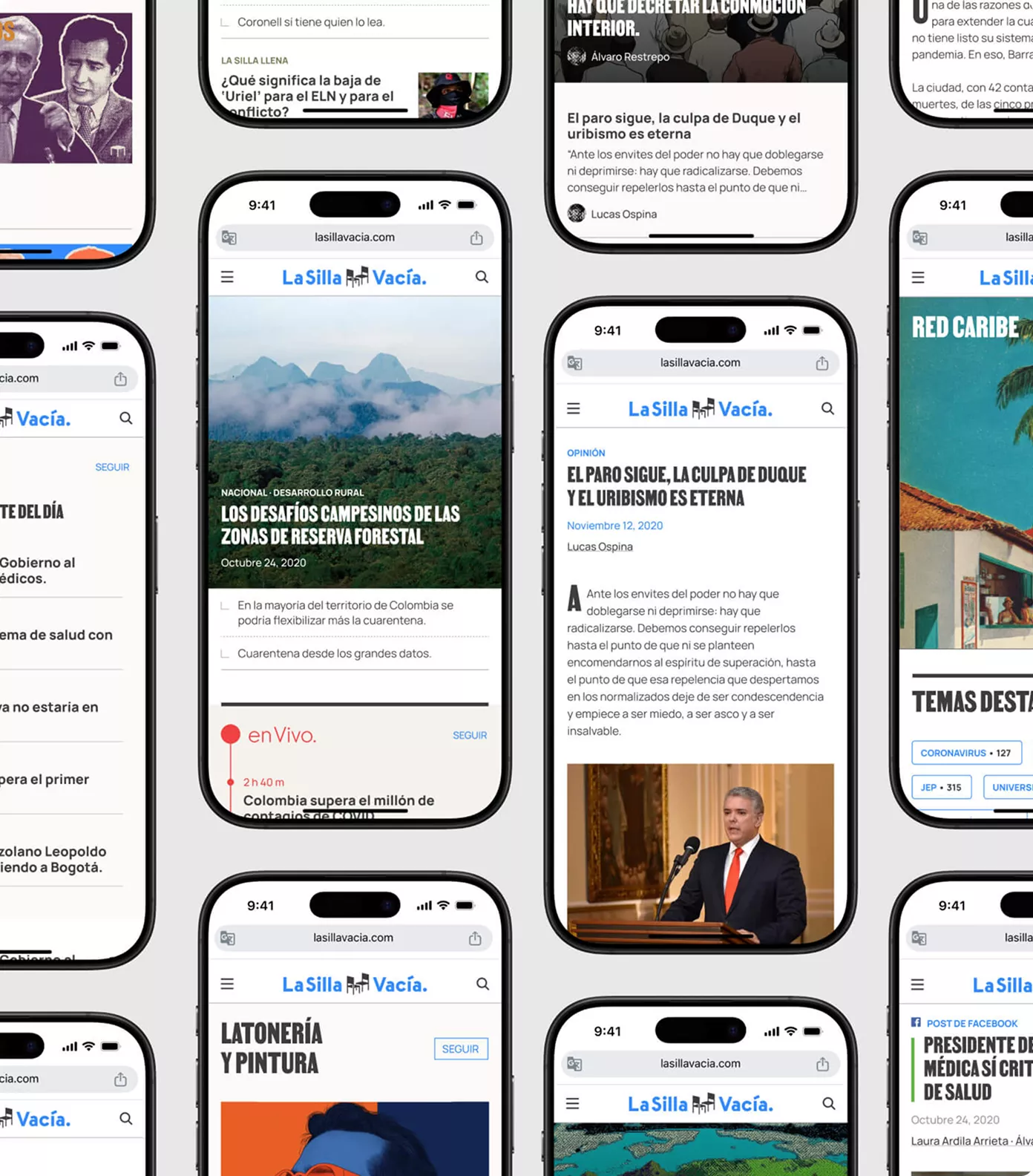
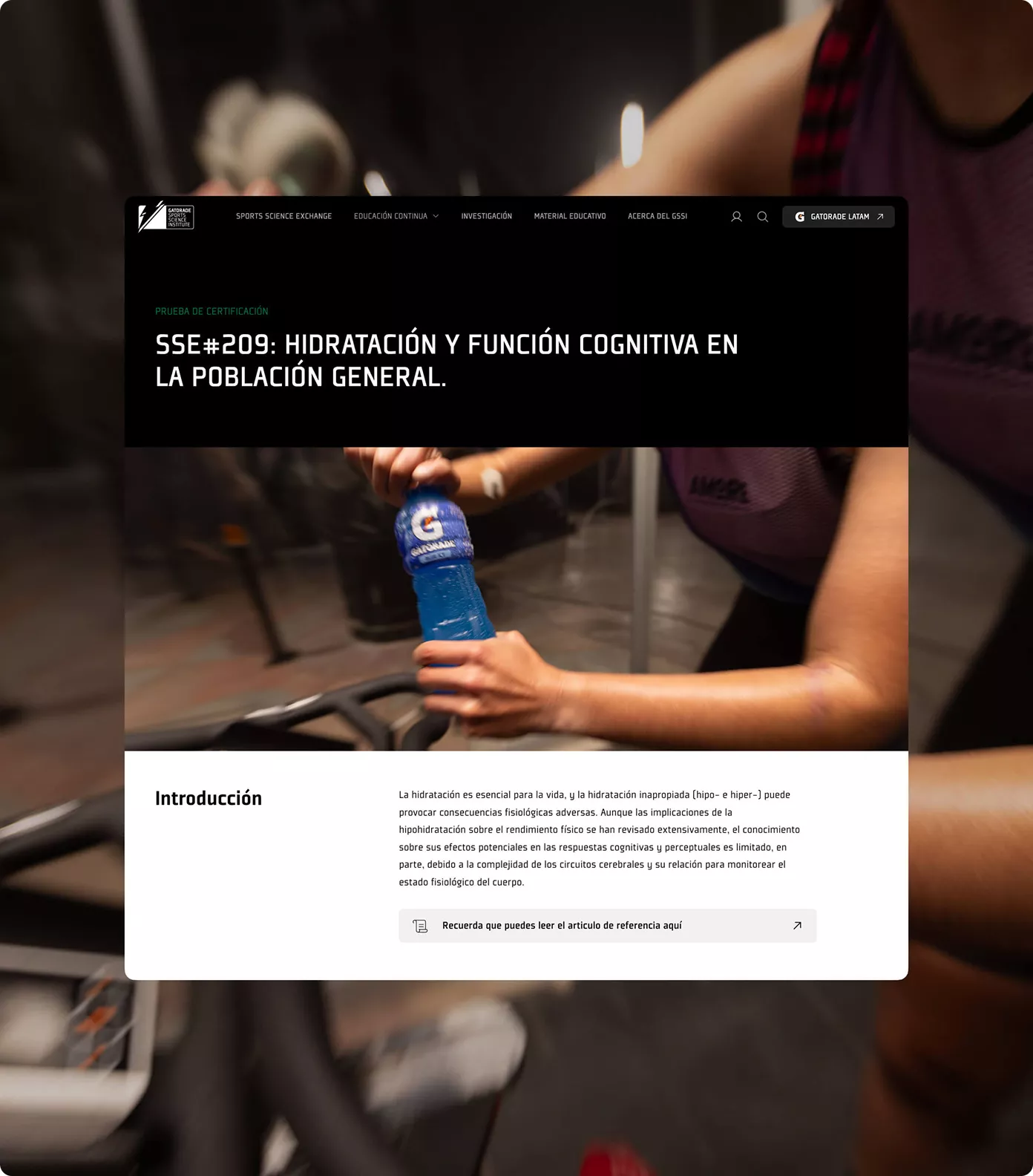
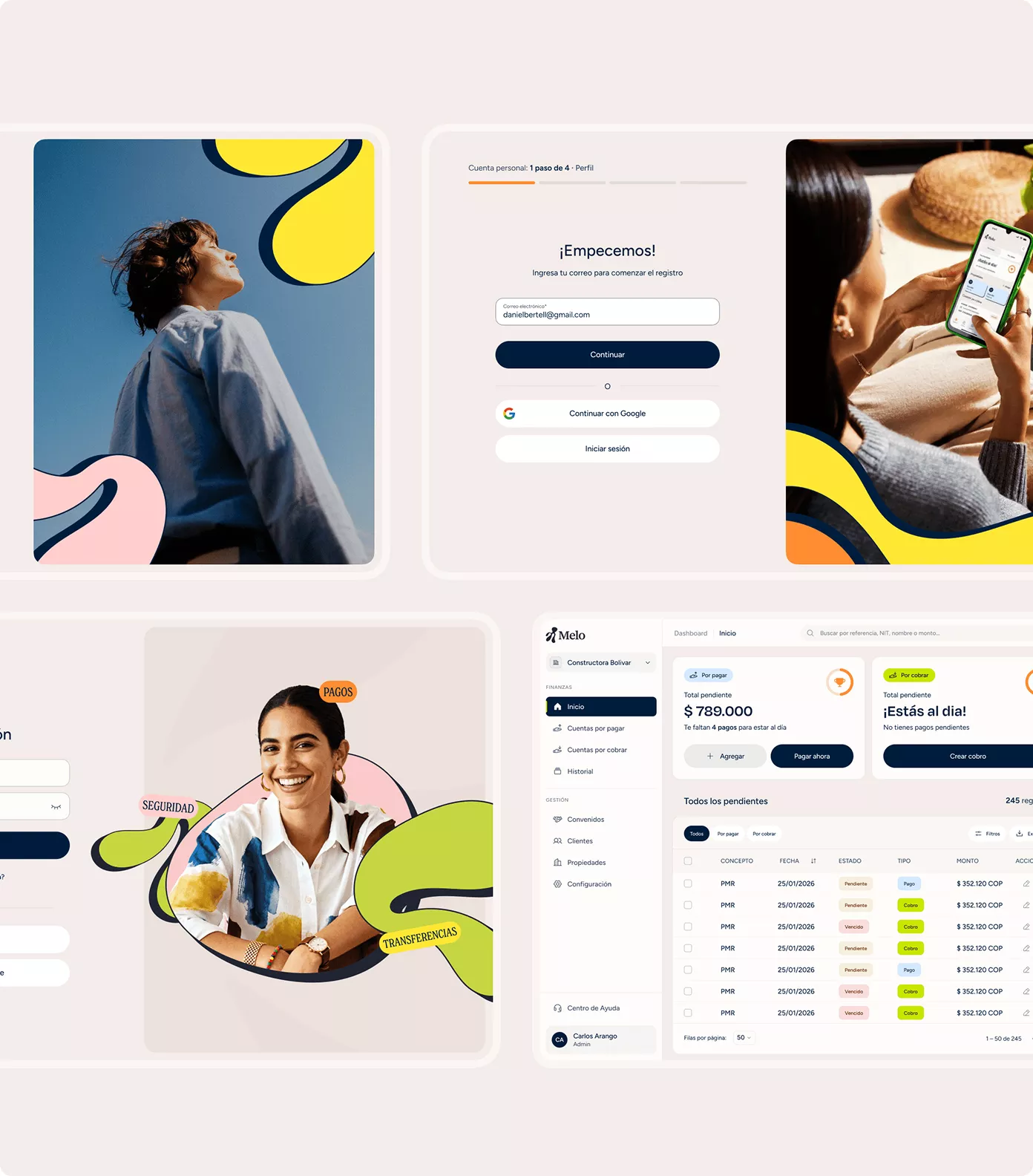
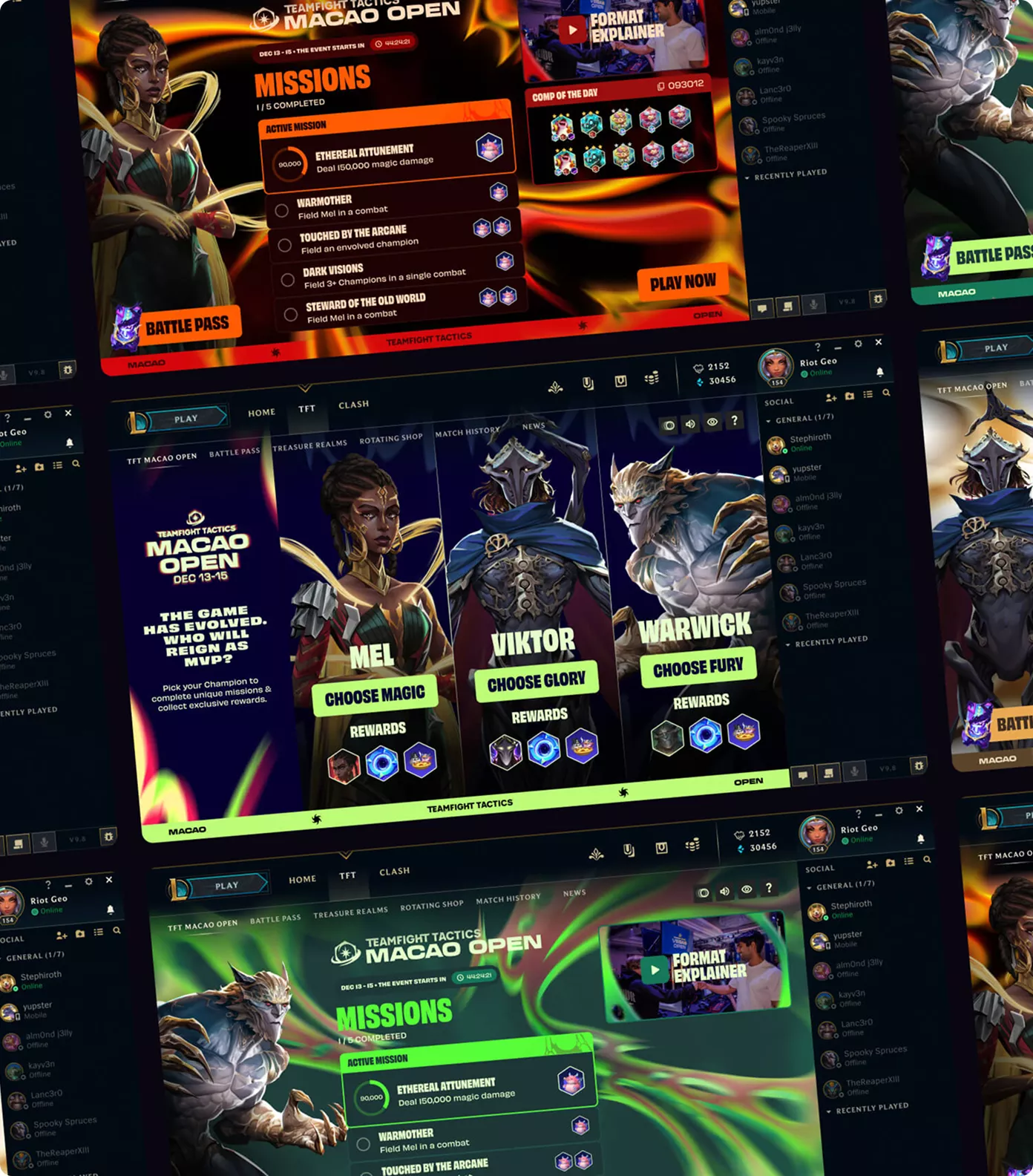
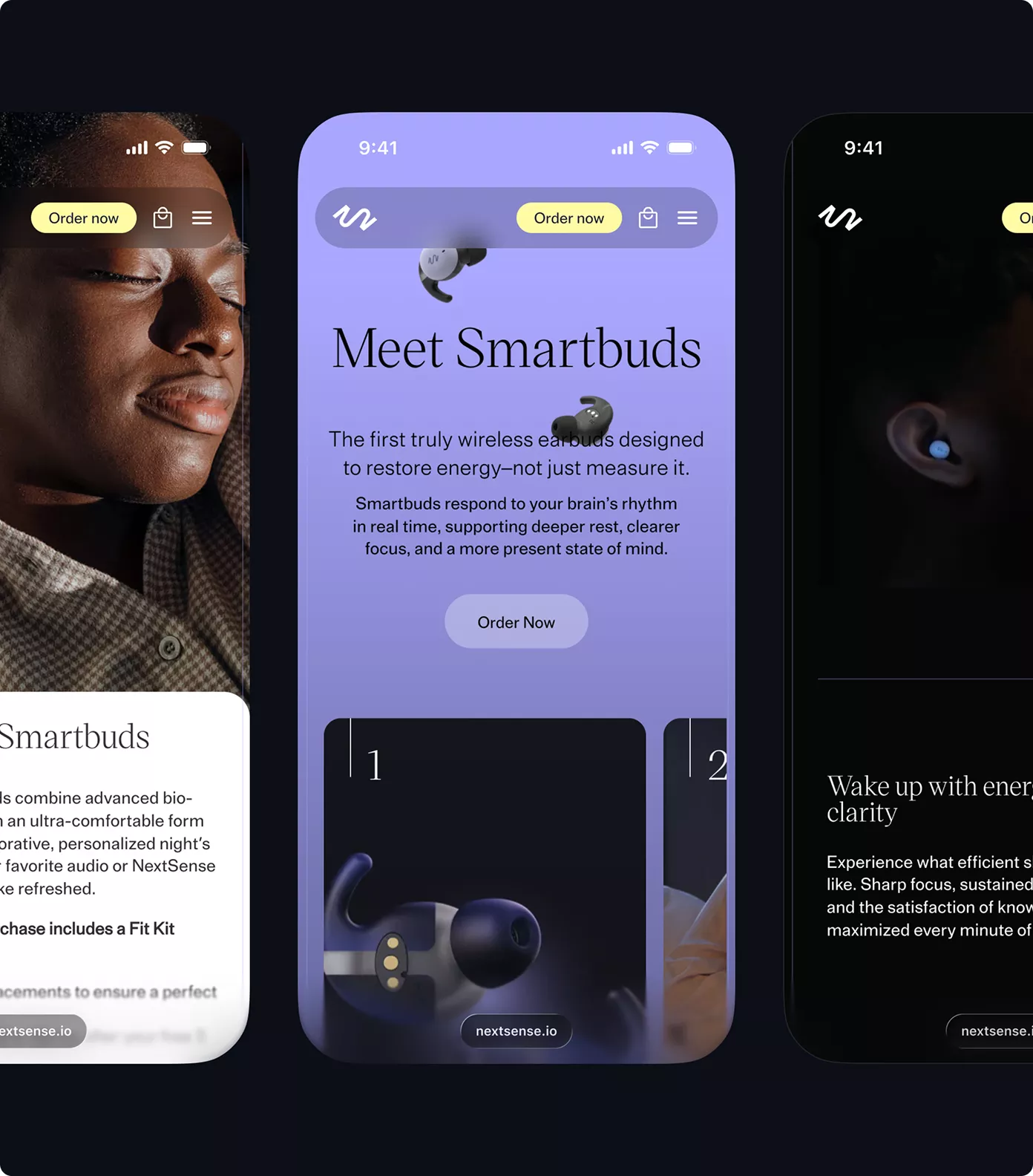
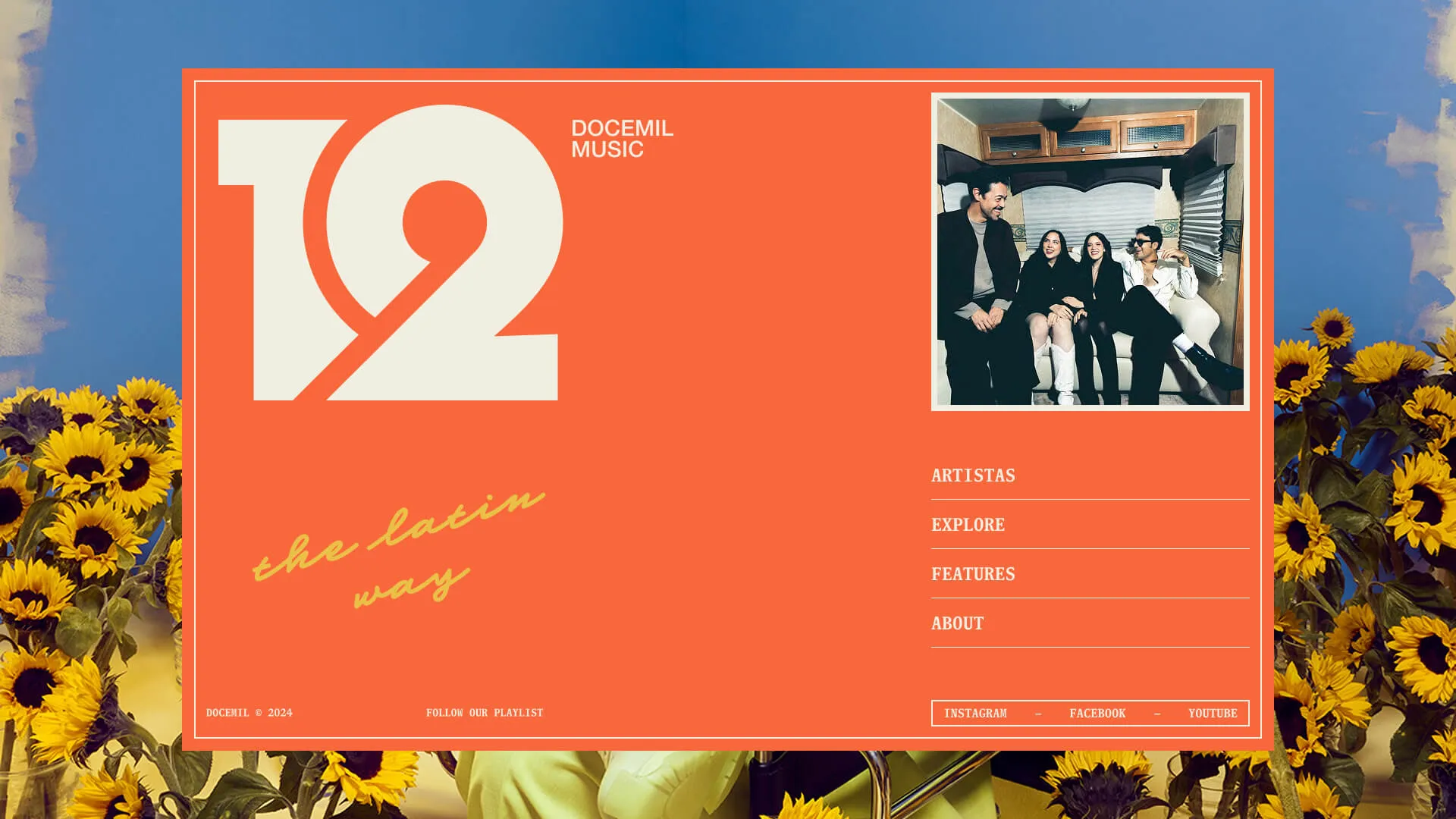
Selected UX/UI and web design work
featured partnerships
We help market leaders design and scale digital ecosystems for growth.
FAQ
Some frequently asked questions about our UX/UI and web design services
UX (User Experience) design focuses on how a product works: the flows, structure, and logic that guide someone through a task. UI (User Interface) design focuses on how it looks and feels: the visual language, typography, and interactions that make the experience intuitive. Together they determine whether people use your product once or return every day. Strong UX/UI design reduces friction, increases conversion, and builds the trust that turns users into customers.
UX design shapes how a product works. It covers research, information architecture, user flows, and wireframing to ensure the product is logical and easy to navigate. UI design shapes how a product looks. It covers visual design, typography, color, and microinteractions. In practice they overlap: strong UI without solid UX creates a beautiful product that frustrates users, and solid UX without strong UI creates a functional product that feels unfinished.
Before any project starts, we align with clients on what success looks like. On the quantitative side we track task completion rates, conversion rates, and error rates. On the qualitative side we use usability testing and user feedback. Design decisions that can't be tied to a real goal don't make the cut.
Every project is different, but the structure stays consistent. We start with a research phase to understand users, goals, and constraints. From there we define information architecture and wireframes, then move into visual design and prototyping. We test with real users before finalizing, and deliver production-ready specs with full documentation. Most projects run between 6 and 16 weeks depending on scope.
It depends on scope, but most projects fall into one of three ranges. A focused redesign of a specific flow or feature typically takes 3 to 5 weeks. A full product design from wireframes to final specs runs 8 to 12 weeks. End-to-end work that includes research, design system, and multiple product areas can take 16 weeks or more. We define scope and timeline before any project starts so there are no surprises.
We work with both. New products benefit from building the right foundation from day one. Existing products usually need a UX audit first to identify where users drop off or get confused before we redesign. In both cases the process starts with understanding what users actually need.
{ "@type": "Question", "name": "What is UX/UI design and why does it matter for my business?", "acceptedAnswer": { "@type": "Answer", "text": "UX (User Experience) design focuses on how a product works: the flows, structure, and logic that guide someone through a task. UI (User Interface) design focuses on how it looks and feels: the visual language, typography, and interactions that make the experience intuitive. Together they determine whether people use your product once or return every day. Strong UX/UI design reduces friction, increases conversion, and builds the trust that turns users into customers." }
},
{ "@type": "Question", "name": "What's the difference between UX design and UI design?", "acceptedAnswer": { "@type": "Answer", "text": "UX design shapes how a product works. It covers research, information architecture, user flows, and wireframing to ensure the product is logical and easy to navigate. UI design shapes how a product looks. It covers visual design, typography, color, and microinteractions. In practice they overlap: strong UI without solid UX creates a beautiful product that frustrates users, and solid UX without strong UI creates a functional product that feels unfinished." }
},
{ "@type": "Question", "name": "How do you measure the success of a design project?", "acceptedAnswer": { "@type": "Answer", "text": "Before any project starts, we align with clients on what success looks like. On the quantitative side we track task completion rates, conversion rates, and error rates. On the qualitative side we use usability testing and user feedback. Design decisions that can't be tied to a real goal don't make the cut." }
},
{ "@type": "Question", "name": "What does a typical design project look like?", "acceptedAnswer": { "@type": "Answer", "text": "Every project is different, but the structure stays consistent. We start with a research phase to understand users, goals, and constraints. From there we define information architecture and wireframes, then move into visual design and prototyping. We test with real users before finalizing, and deliver production-ready specs with full documentation. Most projects run between 6 and 16 weeks depending on scope." }
},
{ "@type": "Question", "name": "How long does a UX/UI design project take?", "acceptedAnswer": { "@type": "Answer", "text": "It depends on scope, but most projects fall into one of three ranges. A focused redesign of a specific flow or feature typically takes 3 to 5 weeks. A full product design from wireframes to final specs runs 8 to 12 weeks. End-to-end work that includes research, design system, and multiple product areas can take 16 weeks or more. We define scope and timeline before any project starts so there are no surprises." }
},
{ "@type": "Question", "name": "Do you work with existing products or only new ones?", "acceptedAnswer": { "@type": "Answer", "text": "We work with both. New products benefit from building the right foundation from day one. Existing products usually need a UX audit first to identify where users drop off or get confused before we redesign. In both cases the process starts with understanding what users actually need." }
}
{ "@type": "Offer", "itemOffered": { "@type": "Service", "name": "User Research \u0026 Usability Testing", "description": "We test prototypes with real users before development begins. Watching how people actually navigate reveals what works, what doesn't, and where to focus. The final product is grounded in behavior, not assumption." }
},
{ "@type": "Offer", "itemOffered": { "@type": "Service", "name": "Information Architecture \u0026 Wireframing", "description": "UX design starts with structure, not aesthetics. We organize navigation, content, and interactions into logical blueprints that give every screen a clear purpose and every user a clear path." }
},
{ "@type": "Offer", "itemOffered": { "@type": "Service", "name": "Creative Direction \u0026 Visual Concepts", "description": "We define how your product looks, feels, and behaves. Translating brand intent into a cohesive digital visual language, the result is an interface with a distinct personality and not a generic template." }
},
{ "@type": "Offer", "itemOffered": { "@type": "Service", "name": "UI Design \u0026 Interaction Patterns", "description": "Our UI/UX design work turns user needs into visual hierarchies and interaction flows that feel natural. Every layout, button, and state is designed so that using the product requires no explanation." }
},
{ "@type": "Offer", "itemOffered": { "@type": "Service", "name": "Motion Design \u0026 Microinteractions", "description": "Movement is a functional design tool. We add transitions, feedback animations, and microinteractions that make interfaces feel responsive, polished, and alive without distracting from the task at hand." }
},
{ "@type": "Offer", "itemOffered": { "@type": "Service", "name": "Design Systems \u0026 Component Libraries", "description": "Scalable products need a shared visual language. We build Figma component libraries and design systems with full documentation so teams can ship faster without breaking consistency across screens or platforms." }
}